
Calcium metal plays an essential role in today’s steel and alloy industries. As a high-activity element with strong affinity for oxygen and sulfur, calcium metal serves as an efficient deoxidizer, desulfurizer, and inclusion modifier, helping steelmakers achieve higher performance and cleaner steel quality. It is widely used in steel refining, casting, and special alloy production.
Basic Characteristics of Calcium Metal
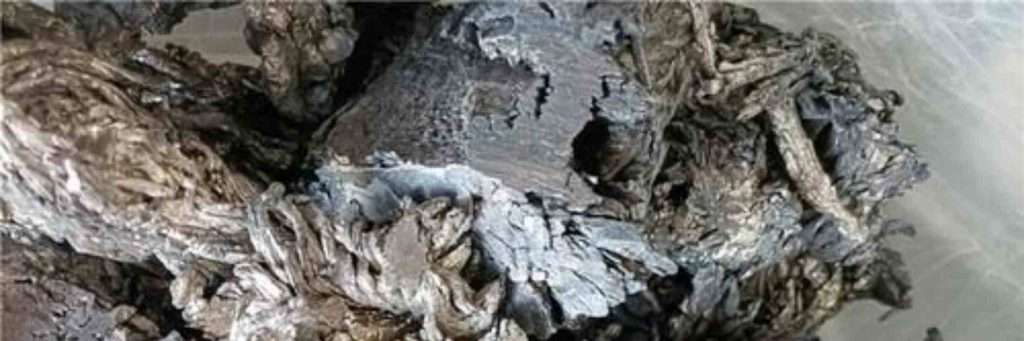
Calcium metal appears silver-white and reacts actively in molten steel. Its ability to combine with oxygen, sulfur, and harmful inclusions allows for improved purity and structural uniformity in steel products.
Common Supply Forms
- Purity: Ca ≥ 98.5%
- Forms: Lumps, granules, wire, and cored wire
- Packaging: Sealed drums or vacuum packs to prevent oxidation
Main Uses of Calcium Metal
1. High-Efficiency Deoxidizer in Steelmaking
Calcium metal reacts rapidly with oxygen in molten steel, forming stable compounds:
- Reduced oxygen content
- Cleaner steel with fewer inclusions
- Improved grain structure and mechanical performance
Compared to aluminum and silicon:
- Calcium provides deeper and more stable deoxidation results, reducing post-treatment adjustments.
2. Effective Desulfurization Agent
Calcium combines with sulfur to form floating compounds, allowing efficient desulfurization:
- Improved welding performance
- Enhanced toughness and fatigue resistance
- Reduced cracking and heat brittleness
This is particularly valuable in:
- High-strength steel
- Bearing steel
- Steel for pipelines and pressure vessels
3. Inclusion Modification for Cleaner Steel
Calcium modifies sharp, brittle oxide inclusions into rounded, soft inclusions, improving:
- Machinability
- Plasticity
- Performance consistency across the steel section
This is crucial for:
- Automotive steels
- Aerospace steels
- Forging-quality grades
4. Alloy Ingredient for Special Alloys
Calcium is also used in producing:
- Calcium-silicon (CaSi) alloys
- Calcium-aluminum alloys (CaAl)
- Calcium-magnesium alloys (CaMg)
These materials support high-temperature stability and improve casting performance.
Comprehensive Benefits of Using Calcium Metal
| Advantage Area | Improvement Gained |
|---|---|
| Steel purity | Significant enhancement |
| Deoxidation & desulfurization efficiency | Increased by 20–40% |
| Casting stability | Improved flow and mold filling |
| Mechanical performance | Increased strength and toughness |
| Cost efficiency | Reduced energy use and material waste |
Calcium metal not only enhances product performance but also improves production stability and cost-effectiveness in steel plants.
Conclusion
As steel production moves toward high-grade, high-purity standards, calcium metal has become an indispensable material for modern steel refining. Its strong deoxidation, desulfurization, and inclusion-modifying capabilities help steelmakers achieve superior quality, higher efficiency, and stronger market competitiveness.