
Silicon calcium alloy is not a dangerous good. It is relatively stable at room temperature and pressure. It is non-flammable, non-explosive, and does not have dangerous properties such as corrosiveness and toxicity. During transportation and storage, it can generally be handled in accordance with the requirements for ordinary goods, but attention should be paid to moisture-proof measures to prevent its performance from being affected.
The Calcium Silicon Storage conditions
- Warehouse selection: It should be stored in a dry, well-ventilated warehouse to avoid moisture and water accumulation. Silicon calcium alloy is easy to react with moisture in the air. A humid environment will accelerate its oxidation and pulverization, affecting product performance.
- Classification storage: Silicon calcium alloys of different specifications and batches should be stored in categories to avoid mixing. At the same time, they should be stored separately from corrosive substances such as acids and alkalis to prevent chemical reactions.
- Intact packaging: Silicon calcium alloys are usually sealed, such as iron drums or woven bags with lined plastic bags. When storing, ensure that the packaging is intact. If damaged, replace the packaging in time to prevent the alloy from contacting air and moisture.

The Calcium Silicon Transportation conditions
- Transportation mode selection: Silicon calcium alloy can be transported by road, rail or water.
- Prevent moisture: Take effective moisture-proof measures during transportation, such as using tarpaulins to cover the transport vehicle or cabin to prevent rain. If loading and unloading in a humid environment, the loading and unloading time should be shortened as much as possible, and the goods should be covered in time after loading and unloading.
- Avoid heavy pressure and collision: Silicon calcium alloy should be loaded and unloaded gently during loading and unloading and transportation, avoid heavy pressure and collision, prevent packaging damage and alloy particle breakage. Because the surface area of the broken alloy increases, it is easier to contact with air and moisture, accelerating oxidation.
- Fire and explosion prevention: Silicon calcium alloy may react violently with oxygen at high temperature and has a certain fire hazard. Keep away from fire and heat sources during transportation, and it is strictly forbidden to mix with flammable and explosive items for transportation. Transport vehicles and warehouses should be equipped with necessary fire-fighting equipment to deal with possible fire accidents.
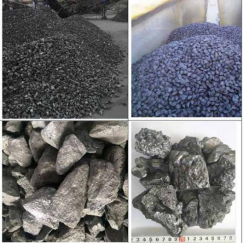
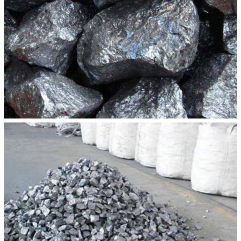
Choose a suitable storage environment for calcium silicon alloy
- Dry warehouse: The floor and walls of the warehouse should have good moisture-proof properties, and avoid choosing low-lying places where water easily accumulates. At the same time, ensure that the warehouse has a good ventilation system, and install exhaust fans and other equipment to discharge moisture in time in humid weather or seasons to keep the indoor air dry.
- Control temperature and humidity: If conditions permit, temperature and humidity monitoring equipment can be installed in the warehouse to monitor the ambient temperature and humidity in real time. Generally speaking, the temperature of the warehouse storing silicon calcium alloy should be maintained at 15-30℃, and the relative humidity should be controlled below 60%. When the humidity exceeds the standard, it can be dehumidified by placing desiccants such as quicklime, calcium chloride, etc., or dehumidified by using a dehumidifier.
Use the correct packaging method about Calcium silicon
- Sealed packaging: Silicon calcium alloy is usually sealed to isolate air and moisture. Common packaging is iron barrel packaging, which can be lined with plastic bags to ensure that the product is isolated from the outside environment. For woven bag packaging, bags with good moisture-proof lining should also be selected, and the bag mouth should be tightly sealed.
- Package inspection and maintenance: Regularly check the integrity of the package. If the package is found to be damaged, cracked or not sealed tightly, the package should be replaced in time or the damaged part should be repaired to ensure the moisture-proof effect of the package.
Reasonable stacking and padding
- Use pallets for padding: Place the silicon calcium alloy packaging on the pallet, so that the product is separated from the ground by a certain distance, generally 30-50 cm from the ground, to reduce the impact of ground moisture on the product.
- Stacking method: Use reasonable stacking methods, such as row-by-row or staggered stacking, to facilitate air circulation, and avoid stacking too high, which will cause the bottom packaging to be compressed and deformed, affecting moisture-proof performance. A certain distance should be maintained between stacks to facilitate ventilation and inspection.
Do a good job in daily management
- Staff training: Train warehouse managers to understand the importance of moisture-proofing of silicon-calcium alloy and related measures, and correctly implement storage requirements in daily work.
- Regular inspection: Establish a regular inspection system to check the temperature and humidity conditions of the warehouse, whether the packaging is intact, and whether the product has signs of moisture. If problems are found, take timely measures to solve them to prevent the moisture situation from further deteriorating.