
What is Calcium Silicon Alloy?
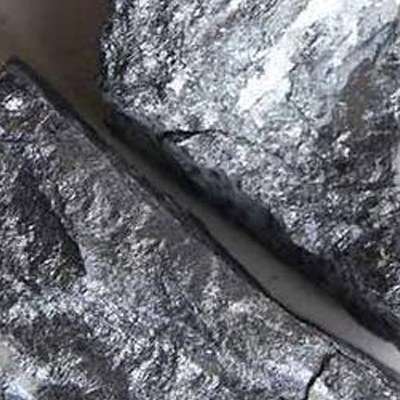
Calcium Silicon, also known as Calcium Silicon Alloy or Ferro Silicon Calcium (FeSiCa), is a composite ferroalloy primarily composed of silicon (Si) and calcium (Ca). As a vital material in metallurgy, it contains controlled amounts of impurities such as iron, aluminum, carbon, sulfur, and phosphorus. It is commercially available in lump or powder form, serving as a powerful compound deoxidizer and desulfurizer in modern steelmaking and foundry processes.
Calcium Silicon Chemical Composition & Specifications
The quality and application of CaSi alloy are defined by its precise chemical composition. The following table outlines the standard specifications for two common grades, adhering to typical industry standards.

Table 1: Standard Chemical Composition of Calcium Silicon Alloy (Values in %)
For certified quality assurance, you can review our Calcium Silicon SGS Testing Report which provides independent verification of our product specifications.
Current Market Price of Calcium Silicon Alloy
Market prices for ferroalloys like Calcium Silicon fluctuate based on raw material costs and global demand. Below is a snapshot of recent FOB Tianjin prices for reference. Contact us directly for real-time and competitive quotations.

Table 2: Indicative FOB Prices for Calcium Silicon
Primary Applications of Calcium Silicon in Industry
Calcium Silicon’s strong affinity for oxygen, sulfur, and nitrogen makes it indispensable in metallurgy. Its key applications include:
- Compound Deoxidizer and Desulfurizer: It is an ideal agent for removing oxygen and sulfur from molten steel, significantly improving the steel’s plasticity, impact toughness, and fluidity. It can effectively replace aluminum for final deoxidation.
- Heating Agent in Steelmaking: Used in converter steelmaking shops to manage temperature and chemical reactions.
- Inoculant for Cast Iron: In the foundry industry, it serves as a powerful inoculant to refine the graphite structure in cast iron, enhancing its mechanical properties.
- Additive for Ductile Iron Production: It is a crucial additive in manufacturing high-quality ductile (nodular) iron.
For related materials, explore our range of Calcium Metal products, which offer high-purity solutions for specialized applications.
Production Methods of Ferro Silicon Calcium
Ferro Silicon Calcium is produced by reducing silica and lime with a carbonaceous reducer (like coke) in an electric furnace at high temperatures (1500-1800°C). The main industrial methods are:
- One-Step Method: Silica and limestone are directly reduced with carbon in a single electric furnace operation.
- Two-Step Method: Calcium carbide (or high-carbon ferrosilicon) is produced first, which is then reacted with silica and coke (or lime) in a second furnace to yield the CaSi alloy.
Production is typically carried out in two types of furnaces:
- Electrode Furnaces: Used for high-content CaSi alloys, ensuring stable quality and low impurities.
- Medium Frequency Furnaces: Economical for producing medium and low-content CaSi alloys, offering flexible output control.
Key Advantages of Using Our Calcium Silicon Alloy
- Consistent & Predictable Reactions: Ensures smooth operation and easy handling in steelmaking and casting processes.
- Superior Product Quality: Features uniform chemical composition and low levels of detrimental impurities.
- Wide Product Range: We supply various grades and sizes (lump, powder) to meet diverse customer requirements.