
Prices Stabilize on Raw Material Costs and Mill Tender Support.
August 2025 ferrosilicon prices in China stabilize as raw material costs and major mill tenders provide support. Spot, futures, magnesium trends, and buying strategies.
In August 2025, China’s ferrosilicon market found short-term support from raw material costs and higher mill tenders, with FeSi72 at RMB 5,500–5,600/t and FeSi75 around RMB 5,800–5,900/t. Hebei Steel’s tender at RMB 6,030/t is anchoring higher prices.
Ferrosilicon Holds Near Short-Term Bottom — Raw Materials and Major Mill Tendering Provide Support
In August 2025, China’s ferrosilicon spot market has displayed signs of stabilization, driven by rising raw material costs and active procurement from major steel mills. Although futures have experienced short-term pullbacks, physical market support has limited the downside. For buyers and traders, this environment requires balancing between securing essential volumes and retaining flexibility for changing market conditions.

Spot and Tender Trends
Major producing regions report FeSi72 cash ex-works at approximately RMB 5,500–5,600/t, while FeSi75 is trading near RMB 5,800–5,900/t. Hebei Steel’s August tender for 75B grade at RMB 6,030/t marked a significant step higher, signaling that large-scale mill procurement is setting a higher pricing anchor in the market. This development has strengthened seller confidence and provided traders with a clear reference point for negotiations.
FAQ for Spot and Tenders
Q: How do mill tenders influence spot prices?
A: Major mill tenders, especially from leading producers like Hebei Steel, set benchmarks that spot sellers use to justify higher offers, creating a floor for market prices.
Futures Market Positioning
The main ferrosilicon futures contract (2509) has faced short-term declines and volatility, with recent levels around RMB 5,794/t. This movement reflects speculative deleveraging, yet the futures downside is capped when spot prices are underpinned by production costs and mill buying activity. For market participants, futures trends should be monitored alongside procurement cycles for short-term arbitrage or hedging opportunities, while maintaining conservative risk controls.
FAQ for Futures
Q: Why is the futures market showing volatility despite stable spot prices?
A: Futures reflect speculative activity and short-term sentiment, which can diverge from physically supported spot markets driven by actual production and procurement needs.
Raw Materials and Magnesium Market Support
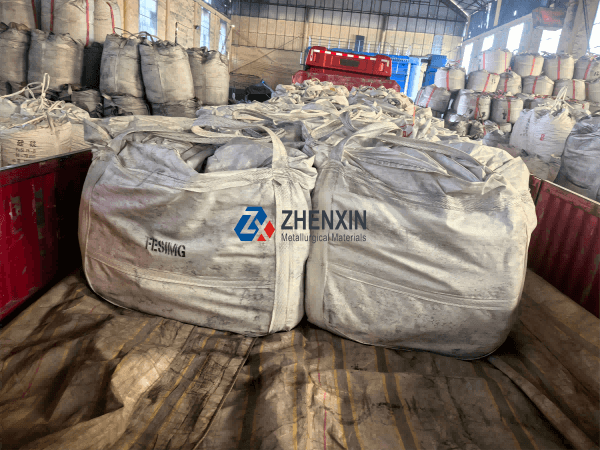
Key raw materials, particularly coking-coal derived products such as small-size “兰炭,” continue to provide a cost floor for ferrosilicon producers. The magnesium market remains steady, with benchmark ingot prices in major producing provinces holding at RMB 17,350–17,400/t. Demand in both sectors is characterized by firm, just-in-time buying patterns.
FAQ for Raw Materials
Q: How do raw material prices impact ferrosilicon costs?
A: Higher raw material costs, such as coking coal, raise production costs for ferrosilicon, which in turn supports higher selling prices in the spot market.
Practical Guidance for Buyers and Traders
Adopting a staged purchasing strategy remains prudent. Securing required tonnage in smaller tranches aligned with production schedules helps manage exposure to price swings. Mill tender prices can serve as a high-end negotiation anchor with spot sellers. Monitoring steel mill procurement patterns and futures market positioning can uncover short-term opportunities, but risk exposure should remain tightly controlled.
FAQ for Buyers
Q: Should I buy all at once or in stages?
A: A staged buying approach helps balance securing supply with flexibility to take advantage of favorable price movements.
Conclusion and Call to Action
The ferrosilicon market in August 2025 is stable but far from risk-free. Supply disruptions or sudden increases in steel orders could reignite price momentum. Proactive monitoring of mill tenders, raw material costs, and futures positioning will be essential for informed procurement. For tailored weekly price briefs and procurement strategies matched to your volume and payment terms, our team can prepare a customized playbook based on live tender and spot data.