
1. What is ferrochrome nitride?
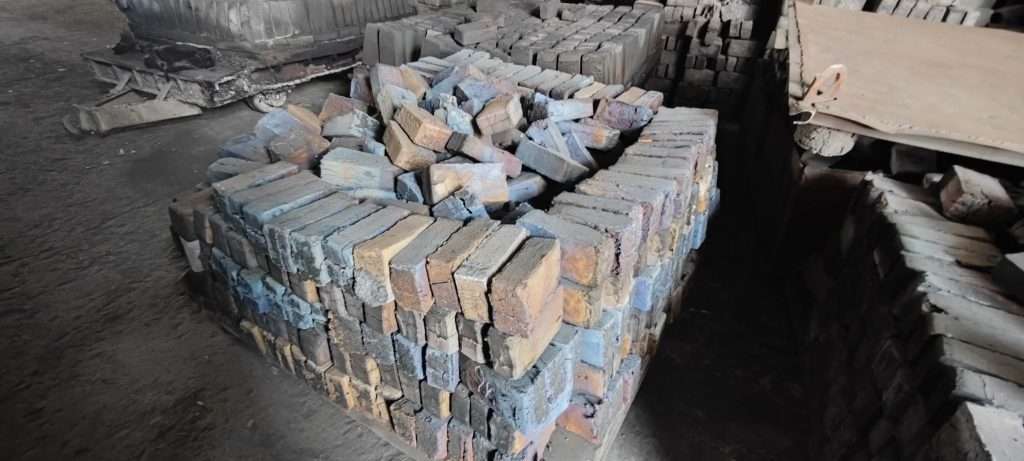
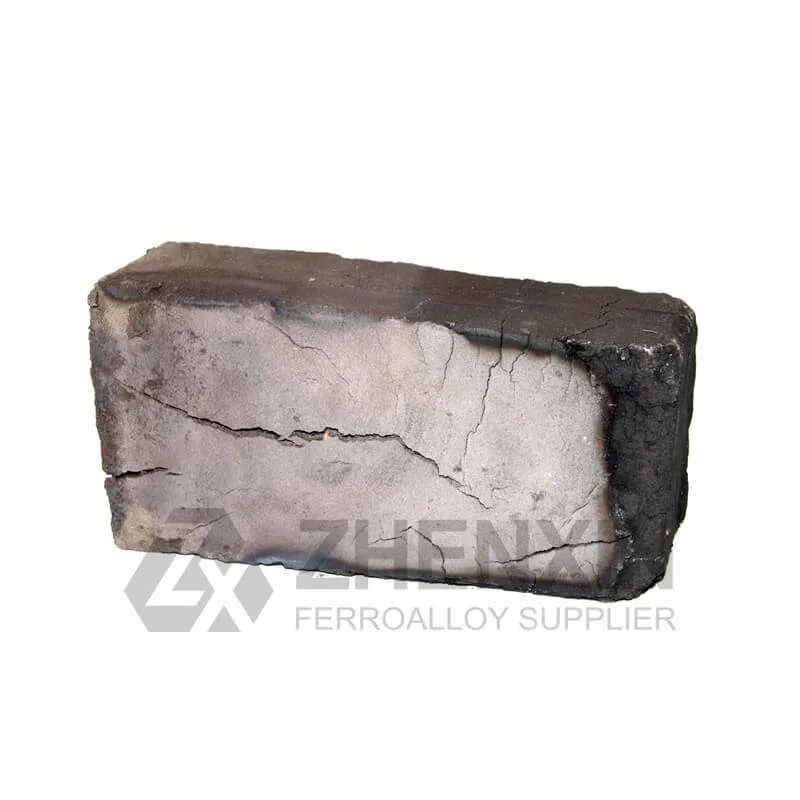
Ferrochrome nitride is a special iron alloy composed of three elements: iron, chromium and nitrogen. It is made by reacting nitrogen with ferrochrome at high temperatures. The chemical formula of ferrochrome nitride is generally expressed as FeCrN, where “N” represents the content of nitrogen.
Due to its special chemical composition, ferrochrome nitride has excellent physical and metallurgical properties and is widely used in the steel and foundry industries.
2. How to produce ferrochrome nitride?
Solid nitriding method
Melting furnace: Vacuum resistance furnace
After the electric smelting of low-carbon ferrochrome is completed, nitrogen gas is filled into the furnace, and nitriding is carried out during the cooling process. The nitriding rate is affected by temperature. Based on rich practical experience, the manufacturer achieves the required nitrogen content by controlling the temperature conditions and nitriding duration.
3. Unique advantages of ferrochrome nitride over other ferroalloys
High heat resistance:
Ferrochrome nitride has excellent high heat resistance. In high temperature environment, ferrochrome nitride can maintain the stability of its structure. This is because its special chemical composition and crystal structure give it a high melting point and thermal stability. The high heat resistance of ferrochrome nitride is also reflected in its long-lasting performance. Under long-term high temperature, it can maintain its stable performance and is not prone to performance degradation or failure.
The high heat resistance of ferrochromium nitride makes it widely used in high-temperature industrial fields. For example, in the aerospace field, parts made of ferrochromium nitride can operate stably for a long time in harsh environments of high temperature and high pressure, ensuring the safety and reliability of aircraft.
Excellent anti-oxidation ability:
Chromium nitride has excellent anti-oxidation ability, which mainly resists oxidation corrosion and prolongs service life through the following aspects:
1) Formation of a dense oxide layer on the surface. When chromium nitride comes into contact with oxygen in the air under high temperature, a dense oxide film will quickly form on the surface. This oxide film is mainly composed of chromium oxide, such as chromium trioxide (Cr₂O₃), which prevents oxygen from further oxidation reaction with the internal metal.
2) The role of nitrogen. The presence of nitrogen can promote the formation of the oxide layer and help improve the density and stability of the oxide layer.
3) The role of chromium. The presence of chromium increases the oxidation potential of the material, making it more difficult to oxidize
Chromium nitride can not only effectively resist oxidation corrosion, but also maintain stable performance under high temperature environment. It is one of the ideal high-performance materials in the field of special steel production.
4. The role of ferrochrome nitride in steelmaking
As an additive, ferrochrome nitride plays an important role in steelmaking, which is mainly reflected in the following aspects:
1) Improve the strength and hardness of steel. Ferrochrome nitride, through solid solution strengthening and precipitation strengthening, can effectively hinder dislocation movement and improve the strength and hardness of steel. Therefore, in some high-strength structural steels and tool steels, factories will add an appropriate amount of ferrochrome nitride to improve the strength and performance of steel.
2) Improve the corrosion resistance of steel. Chromium is an important corrosion-resistant element. It can form a dense chromium oxide passivation film on the surface of steel, preventing oxygen and other corrosive media from contacting the steel matrix, thereby improving the corrosion resistance of steel. The chromium element in ferrochrome nitride can provide steel with sufficient chromium content and promote the formation of passivation film. For example, in some marine engineering steels, adding ferrochrome nitride can improve the corrosion resistance of steel and extend the service life of steel.
3) Reduce steelmaking costs. The chromium and nitrogen elements in ferrochrome nitride can partially replace some expensive alloying elements such as nickel and molybdenum. This can reduce the cost of steelmaking while ensuring the performance of the steel. For example, in some stainless steels, adding an appropriate amount of ferrochromium nitride can replace part of the nickel element and reduce the production cost of stainless steel.
In conclusion, as a high-performance material, ferrochromium nitride is widely used in multiple industries. As the global demand for high-quality, high-performance materials continues to increase, the ferrochromium nitride market is showing a positive growth trend.