
In recent years, more steel mills and alloy traders have started asking for SGS reports before shipment. Especially for ferromanganese, buyers care a lot about whether the actual composition matches the contract.
We’ve seen many customers compare several suppliers at the same time. Price matters, but stable Mn content, low phosphorus, and reliable sizing are usually what decides long-term cooperation.
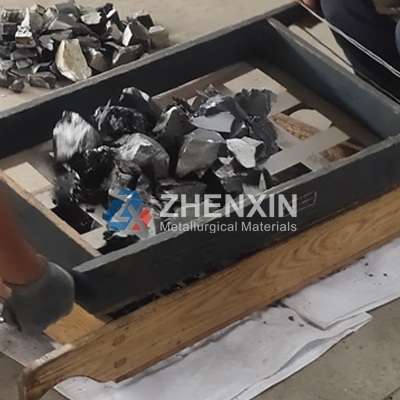
What Does SGS Usually Test for Ferromanganese?
For ferromanganese shipments, SGS mainly checks the chemical composition and cargo condition before loading.
The common testing items include:
- Manganese (Mn)
- Carbon (C)
- Phosphorus (P)
- Sulfur (S)
- Silicon (Si)
- Lump size
- Moisture
Some customers also request photos, sampling videos, and loading supervision together with the SGS report.
Why Buyers Care About SGS Reports
A lot of buyers have experienced problems before — the composition was different from the contract, or the lump size was not correct after unloading.
For steel production, even small composition differences can affect the final result. High phosphorus or unstable carbon content may create extra trouble during smelting.
That’s why many buyers prefer suppliers who can support third-party inspection before shipment.
High Carbon vs Low Carbon Ferromanganese Testing
Different grades usually focus on different testing points.
High Carbon Ferromanganese
Buyers normally pay attention to manganese recovery, carbon level, and impurity control. Stable composition is important for continuous steelmaking production.
Low Carbon Ferromanganese
For low carbon grades, carbon and phosphorus control are stricter. Customers usually check the SGS report carefully before arranging payment or shipment release.
SGS Inspection Helps Reduce Purchasing Risk
For overseas buyers, it’s not easy to visit every factory in person. SGS testing gives buyers more confidence before shipment.
It also helps avoid disputes after cargo arrives at the port.
In many export orders, SGS inspection has already become part of the normal shipment process, especially for bulk ferroalloy cargo.
What Buyers Usually Ask Before Ordering
Before placing an order, many customers will ask questions like:
- Can you provide SGS before shipment?
- Is the Mn content stable between batches?
- Can you control phosphorus below the required level?
- Do you support customized sizes?
- Can you arrange loading supervision?
These questions are becoming more common in the ferromanganese export business.
Choosing a Reliable Ferromanganese Supplier
A reliable supplier is not only someone offering a low price.
Most buyers are looking for:
- Stable quality
- Fast communication
- Export experience
- Flexible packaging
- SGS support
- Long-term supply stability
For repeat customers, consistency is usually more important than temporary low prices.
Conclusion
SGS inspection has become a key part of ferromanganese export control, especially for Mn content, P/S limits, and size consistency. For buyers, third-party analysis helps reduce quality deviation and shipment disputes, while ensuring stable alloy performance in steelmaking applications.