
Overview of High Carbon Silicon (Silicon Carbon Alloy)
High carbon silicon, commonly referred to as silicon carbon alloy, is an innovative composite alloy that plays an irreplaceable role in the converter smelting deoxidation link of the global iron and steel industry. Different from traditional single-component alloys, it integrates the advantages of silicon and carbon, and has become a core auxiliary material for energy conservation and cost reduction in the metallurgical industry in recent years.
The main components of high carbon silicon are silicon and carbon, with silicon content generally not less than 55% and carbon content not less than 15% — the precise ratio can be adjusted according to different application scenarios. In addition to the two core components, it also contains a small amount of impurities such as silicon dioxide, phosphorus and sulfur, and the content of harmful impurities is strictly controlled to ensure the stability of its application effect.
According to the latest industry news in early 2026, with the global steel industry’s emphasis on energy conservation and emission reduction and the upgrading of smelting technology, the demand for high-performance high carbon silicon is showing a rapid growth trend, and its application scope is also expanding from traditional steelmaking to new energy-related metallurgical fields.
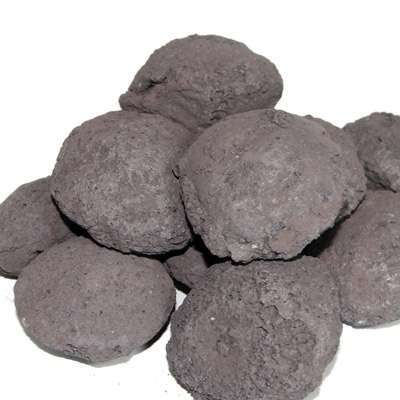
Production Process of High Carbon Silicon
High carbon silicon is not a specially independently produced product, but a by-product formed in the production process of metallic silicon. Its formation is closely related to the smelting conditions of electric furnaces, and the whole process has the characteristics of environmental protection and resource reuse.
In the standard production process of metallic silicon, raw materials are put into electric furnaces for high-temperature smelting, and the uniform distribution of electrodes is the key to ensuring the full reaction of raw materials.
Due to the structural differences of some electric furnaces or the uneven placement of electrodes, the raw materials in the furnace will have local uneven heating, which leads to the incomplete reaction of a small amount of silica at the bottom of the furnace with carbon and other raw materials.
Under the long-term high-temperature environment in the furnace, these incompletely reacted substances gradually accumulate and agglomerate, and finally form massive high carbon silicon products at the bottom of the furnace. After subsequent crushing, screening and impurity removal, they can be processed into finished products that meet industrial application standards.
Chemical Composition and Size Specifications of High Carbon Silicon
The chemical composition and particle size of high carbon silicon directly determine its application effect and scope. The following table details the common specifications of high carbon silicon in the market, which can effectively avoid table disorder when published on WordPress, and the data is updated according to the 2026 industry standard.
| High Carbon Silicon Grade | Chemical Composition (%) | Size (mm) | ||||
| Grade | Si (≥) | C (≥) | Al (≤) | S (≤) | P (≤) | Particle Size |
| Si68C18 | 68 | 18 | 3 | 0.1 | 0.05 | 5-25 |
| Si65C15 | 65 | 15 | 3 | 0.1 | 0.05 | 10-50 |
| Si60C10 | 60 | 10 | 3 | 0.1 | 0.05 | 10-100 |
Note: The above specifications are the most commonly used types in the market. Customized production can be carried out according to the specific needs of smelting and casting enterprises.
Core Material Advantages of High Carbon Silicon
As a new type of composite alloy deoxidizer, high carbon silicon has obvious comprehensive advantages compared with traditional deoxidizers, and is gradually replacing ferrosilicon powder, calcium carbide, carbon powder and other products in the industry, becoming the first choice for cost reduction and efficiency increase in metallurgical enterprises.
Compared with traditional deoxidizers, high carbon silicon has a more favorable price, and can reduce the deoxidation cost of steelmaking enterprises by 15%-20% under the premise of ensuring the same deoxidation effect. With the expansion of production scale in 2026, its price advantage will be further highlighted.
It has excellent physical and chemical stability, is not easy to react with other substances during storage and transportation, and has a stable deoxidation effect during the smelting process. It can effectively avoid the fluctuation of molten steel composition caused by unstable deoxidation.
When applied to the converter steelmaking process, it can quickly react with the oxygen in the molten steel, and the reaction product is steel slag that is easy to float, which can be quickly separated from the molten steel, greatly improving the deoxidation efficiency and shortening the smelting cycle.
While realizing deoxidation, it also has certain desulfurization and recarburization effects, which can replace part of the recarburizer, reduce the types of auxiliary materials used in the smelting process, and further save production costs.
Application Advantages in Smelting and Foundry Industry
Application Advantages in Steel Smelting
High carbon silicon is widely used in the smelting process of ordinary steel, alloy steel and special steel, and its application effect has been fully recognized by the industry. With the upgrading of smelting technology in 2026, its application proportion in high-end steel smelting is gradually increasing.
It can replace ferrosilicon, silicon carbide and recarburizers at the same time, reduce the dosage of various deoxidizers, simplify the smelting process, and effectively stabilize the chemical composition of finished steel.
Using high carbon silicon as deoxidizer can shorten the reduction time of the smelting process, reduce the power consumption of electric furnaces, and improve the overall steelmaking efficiency while saving energy.
The decomposition and oxidation of high carbon silicon in the converter will release a lot of heat, which can effectively increase the temperature and pressure in the furnace, create favorable conditions for the deoxidation and desulfurization reaction, and improve the quality of finished steel.
Application Advantages in Foundry Industry
In addition to steel smelting, high carbon silicon also has significant application advantages in the foundry industry, especially in the production process of cast iron, which can effectively improve the quality of cast iron products and reduce production costs.
Cast iron generally contains 2%-4% carbon and 1%-3% silicon, and the core components of high carbon silicon are exactly carbon and silicon, which can perfectly match the element demand of cast iron smelting and avoid the adverse effects of excessive addition of other elements.
It can be used as deoxidizer, high-efficiency heating agent and recarburizer in the cast iron smelting process. Among them, the calorific value of silicon and carbon reaches 6.58kcal/g and 1.24kcal/g respectively, which can provide stable heat for smelting.
The impurity content in high carbon silicon is strictly controlled, and very few impurities are generated during the application process, which can effectively control the impurity content in cast iron, improve the microstructure of cast iron, and enhance the toughness and wear resistance of cast iron products.
2026 Market Prospects and Latest Industry Trends
In recent years, with the continuous recovery of the global economy and the steady growth of the steel industry’s production capacity, the market demand for high carbon silicon has maintained a steady upward trend. Especially in 2026, affected by the dual factors of industrial policy and technological upgrading, the high carbon silicon market has ushered in new development opportunities.
For a long time, the recovery rate of traditional alloys in the steel industry has been affected by converter operation, and the unstable chemical composition of finished steel has become a major pain point in the industry. High carbon silicon can effectively solve this problem, so it is highly favored by steel enterprises. With the continuous expansion of the global steel industry’s production capacity, the demand for high carbon silicon is increasing year by year.
According to the latest industry data in February 2026, the global high carbon silicon market scale is expected to exceed 800 million US dollars in 2026, with a year-on-year growth of more than 18%. At the same time, with the continuous breakthrough of production technology, the purity of high carbon silicon is constantly improving, and its application scope is expanding to new energy, aerospace and other high-end fields.
At present, high carbon silicon has not been fully popularized in the global market, and the number of enterprises with mature production technology is relatively small. With the continuous improvement of industrialization level and the continuous reduction of production costs, high carbon silicon will gradually replace traditional deoxidizers and become the mainstream auxiliary material in the metallurgical industry, and the market prospect is broad.
Summary
High carbon silicon (silicon carbon alloy) is a high-performance, cost-effective composite alloy deoxidizer, which has unique advantages in production process, material performance and application effect. Its application in steel smelting and foundry industry can effectively help enterprises reduce costs, improve efficiency and improve product quality.
With the continuous upgrading of the global metallurgical industry and the release of market demand in 2026, high carbon silicon, as a key auxiliary material for energy conservation and emission reduction in the industry, will usher in a new development period. It is believed that with the continuous progress of production technology and the expansion of application scope, high carbon silicon will play a more important role in the global metallurgical industry.