
Core Definition and Composition of Ferrosilicon Slag
Ferrosilicon slag is a by-product slag generated during the smelting of ferrosilicon alloy. It is discharged, cooled and solidified after high-temperature smelting, and then crushed and processed into different particle size specifications according to actual needs. As an important category of industrial solid waste, its resource utilization has been included in the key plan of the national “14th Five-Year Plan” for the comprehensive utilization of bulk solid waste.
The proportion of core chemical components is stable, including 40%-60% silicon dioxide (SiO₂), 20%-30% calcium oxide (CaO), 5%-10% aluminum oxide (Al₂O₃), and a small amount of trace element impurities such as iron and manganese. These components determine its application feasibility in multiple fields.
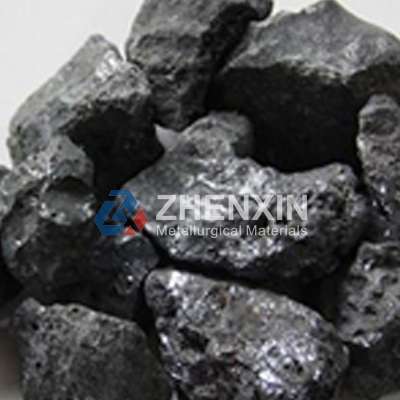
2026 Latest Specifications and Parameters of Ferrosilicon Slag
| Product Grade | Si ≥ | Fe | C ≤ | S ≤ | P ≤ |
| 60% FeSi Slag | 60-63% | 15-17% | 4.0% | 0.05% | 0.05% |
| 65% FeSi Slag | 65% | 15-17% | 4.0% | 0.05% | 0.05% |
| 70% FeSi Slag | 70% | Balance | 4.0% | 0.05% | 0.05% |
Note: This specification complies with the YB/T 6357-2025 ferrous metallurgy industry standard issued in April 2025, which was officially implemented on November 1, 2025, and put forward clear requirements for the evaluation of the comprehensive utilization level of solid waste in iron and steel enterprises.
Core Differences Between Ferrosilicon Slag and Silicon Slag
Different sources: Ferrosilicon slag comes from the smelting process of ferrosilicon alloy, while silicon slag is a by-product in metal silicon production. There are essential differences in raw materials and smelting processes between the two.
Differences in component content: The silicon content of silicon slag is usually between 50%-70%, which is higher than that of ferrosilicon slag; while ferrosilicon slag has relatively higher contents of impurities such as calcium oxide and aluminum oxide, which also leads to different focuses on application scenarios.
Distinction in application fields: When the silicon content is ≥50%, silicon slag can be used for casting and steelmaking deoxidation, focusing on cost control and production efficiency improvement; in addition to the metallurgical field, ferrosilicon slag has more advantages in applications such as building materials and ceramics, in line with the trend of diversified utilization of solid waste.
Diversified Application Fields of Ferrosilicon Slag (2026 Latest Expansion)
Metallurgical industry: As a steelmaking deoxidizer and ironmaking auxiliary raw material, it can replace part of ferrosilicon to reduce production costs, especially suitable for steel products with low silicon content requirements. Data in 2025 shows that the utilization rate of ferrosilicon slag in the steel industry increased by 12% year-on-year, and the application penetration rate in small and medium-sized steel mills has been significantly improved.
Construction industry: It can be used in cement production and concrete admixtures. With good durability and strength, it has become an environmentally friendly alternative to traditional aggregates. The global iron and steel slag market size reached 30 billion US dollars in 2023 and is expected to increase to 45 billion US dollars by 2032. Demand in the construction field is the main growth driver.
Ceramic and agricultural fields: As a raw material or additive in ceramic production, it can improve product performance and reduce costs; at the same time, it can be used as a soil amendment to improve soil quality and provide nutrients needed by crops, in line with the trend of sustainable agricultural development.
Emerging fields: With technological iteration, the application of ferrosilicon slag in silicon-based anode materials, semiconductor auxiliary materials and other fields is gradually expanding. In 2025, the demand growth rate in related fields exceeded 25%, becoming a new growth engine for the industry.
2026 Ferrosilicon Slag Market Price Trend and Industry Dynamics
Price status: The price of ferrosilicon slag is significantly lower than that of ferrosilicon, mainly affected by fluctuations in the ferrosilicon market. In January 2026, the quotation of ferrosilicon in Ningxia was 5300-5450 yuan/ton, but the transaction volume dropped sharply. Affected by the contraction of steel mill purchases, the price of ferrosilicon slag remained in the range of tens to hundreds of yuan/ton, depending on composition and quality.
Trend forecast: Combined with the industry cycle, during the coal and electricity peak season from July to August 2026, the prices of ferrosilicon and ferrosilicon slag are expected to usher in a phased upward trend; in the long run, with the advancement of solid waste comprehensive utilization policies and the expansion of emerging applications, the value of high-grade ferrosilicon slag will gradually increase.
Latest policies: The “Guiding Opinions on the Comprehensive Utilization of Bulk Solid Waste During the ’14th Five-Year Plan’ Period” issued by nine ministries including the National Development and Reform Commission clarifies that the comprehensive utilization rate of new bulk solid waste must reach 60% in 2025. As an important category of smelting slag, the resource utilization of ferrosilicon slag has received key policy support. In the updated industrial solid waste resource utilization technical specifications in China in 2025, 5 mandatory standards have been added, putting forward a rigid requirement of not less than 92% for silicon element recovery rate.
Core Advantages of Choosing Ferrosilicon Slag
Cost advantage: As a smelting by-product, the production cost is significantly lower than that of primary ferrosilicon, which can effectively reduce the raw material input cost of downstream industries and enhance the market competitiveness of products.
Customized services: According to the actual needs of customers, different particle size specifications (such as 0-50mm, 50-100mm, etc.) can be customized for free to adapt to diversified application scenarios.
Compliance guarantee: Authoritative test reports can be provided, which comply with the latest national solid waste utilization standards and industry norms, ensuring the compliance of the application process.
Flexible cooperation: Support a variety of payment methods and sample delivery services, providing convenience for customers’ procurement decisions and long-term cooperation.