
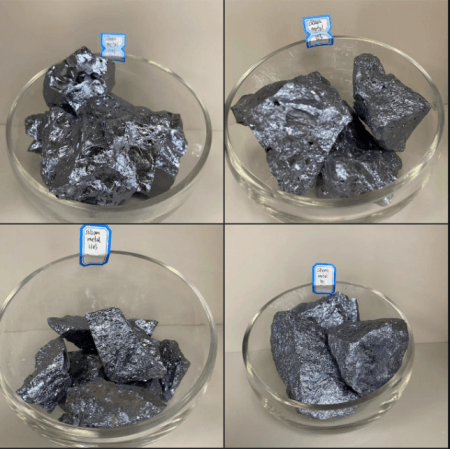
Metal silicon, also known as industrial silicon, plays a fundamental role in modern industry. With its excellent physical and chemical properties, it has become an indispensable raw material in several high-demand fields. From traditional metallurgy to advanced electronics and renewable energy, metallic silicon is shaping industries worldwide
Aluminum Applications of Metallic Silicon
Deoxidizer in Aluminum Refining
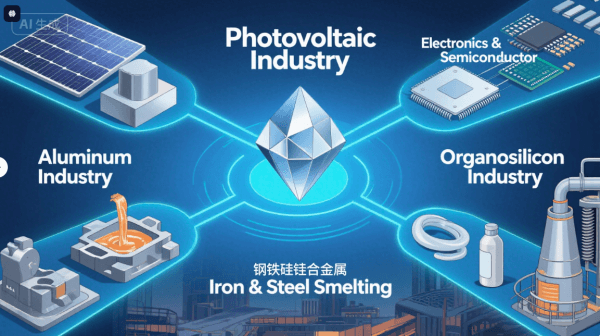
One of the primary applications of metallic silicon lies in the aluminum industry. During the refining process of aluminum ingots, metallic silicon acts as a strong deoxidizer. By reacting with residual oxygen in molten aluminum, it forms solid silicon dioxide, which can be removed through further treatment. This improves the purity of aluminum to over 99.7%, ensuring high-quality end products.
Role in Aluminum-Silicon Alloys
Beyond refining, metallic silicon is a critical alloying element. By adding about 12–13% metallic silicon to pure aluminum, producers obtain aluminum-silicon alloys with excellent castability, lower melting points, and enhanced wear and corrosion resistance. These alloys are widely used in automotive engine blocks and other castings, representing more than 70% of the global cast aluminum alloy market.
Electronics and Semiconductor Industry
High-Purity Silicon for Wafer Production
High-purity metallic silicon (purity above 99.9999%) is essential in electronics manufacturing. After purification and processing, it is transformed into monocrystalline or polycrystalline silicon wafers, the base material for semiconductors
Supporting Integrated Circuits
These wafers serve as the foundation of integrated circuits and chips, powering a wide range of devices from smartphones to computers. The semiconductor industry’s rapid growth continues to drive demand for high-grade metallic silicon.
Organosilicon Industry
From Methylchlorosilane to Silicone Products
In the chemical industry, metallic silicon reacts with methyl chloride to produce methylchlorosilane, the precursor for silicone rubber, silicone oil, and other organosilicon compounds.
Wide Applications in Industrial and Daily Use
These materials are highly versatile: silicone rubber provides reliable insulation and sealing in electronics, while silicone oil is used in cosmetics and lubricants. The organosilicon industry ensures metallic silicon’s relevance not only in factories but also in everyday consumer products.
Photovoltaic Industry
Polysilicon for Solar Cells
Another critical field is the photovoltaic sector. Metallic silicon is purified to solar-grade polysilicon, later processed into wafers and solar cells.
Driving Renewable Energy Development
These cells convert sunlight into electricity, forming the backbone of solar power systems. With global renewable energy demand rising, metallic silicon has become vital for sustainable energy production.
Steel and Non-Ferrous Metallurgy
Alloying Agent in Steelmaking
In steel production, metallic silicon acts as both a deoxidizer and alloying element. It improves magnetic permeability and corrosion resistance, making it valuable in manufacturing transformer cores and other specialized steel products.
H3:Improving Material Properties
For non-ferrous metals, metallic silicon enhances mechanical performance, broadening its role across various metallurgical applications.
Conclusion: The Strategic Value of Metallic Silicon
From traditional smelting to high-tech electronics and renewable energy, metallic silicon is a cornerstone of global industry. Its wide application not only ensures stable demand but also drives innovation in emerging sectors such as semiconductors and photovoltaics. For buyers and manufacturers seeking high-quality metallic silicon, partnering with reliable suppliers is the key to staying competitive in today’s fast-changing markets.