
On the afternoon of June 26, the Ministry of Commerce of China held a regular press conference, and a reporter asked about the approval of China’s rare earth exports. He Yadong, spokesperson of the Ministry of Commerce: China has always attached great importance to maintaining the stability and security of the global production and supply chain, and has continuously accelerated the review of rare earth-related export license applications in accordance with laws and regulations. A certain number of compliant applications have been approved in accordance with the law, and the approval of compliant applications will continue to be strengthened. China is willing to further strengthen export control communication and dialogue with relevant countries in this regard, and actively promote convenient and compliant trade.
What are the important applications of rare earth in the automotive industry?
Rare earths play a key role in the automotive industry as “industrial vitamins”, and are particularly indispensable in new energy vehicles, energy-saving technologies and intelligent components. Rare earth magnets are widely used in various fields of automobiles, from wiper motors to anti-lock brake sensors.
- Neodymium iron boron (NdFeB) permanent magnets are currently the most efficient motor material, with high magnetic energy product and high temperature resistance, which directly improves the motor power density and energy efficiency.
- Tesla Model 3, BYD and other electric vehicles all rely on such motors, and reducing the use of rare earths may lead to reduced performance or soaring costs.
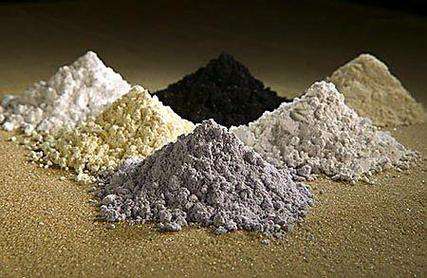
What is the impact of China’s rare earths on the automotive industry?
China is the absolute leader in the global rare earth supply chain. It not only has 35% of the reserves (the world’s largest), but also controls more than 90% of the high-purity rare earth processing capacity, especially in permanent magnet materials (NdFeB) and separation and purification technology. Industrial powers such as the United States, the European Union and Japan are highly dependent on Chinese exports. In 2023, China’s rare earth exports accounted for 70% of the world’s total, of which key rare earth elements (such as neodymium and dysprosium) in electric vehicles and military industries are almost entirely dependent on China’s supply. In recent years, China has strengthened its voice through export quotas, environmental standards and technical barriers, forcing Europe and the United States to accelerate the layout of alternative supply chains, but it is difficult to shake China’s position as a “rare earth superpower” in the short term.
China controls more than 90% of the world’s processing capacity for magnets used in cars, clean energy and home appliances. As part of its retaliation against high U.S. tariffs, China in April enacted restrictions requiring companies to obtain import licenses from Beijing.
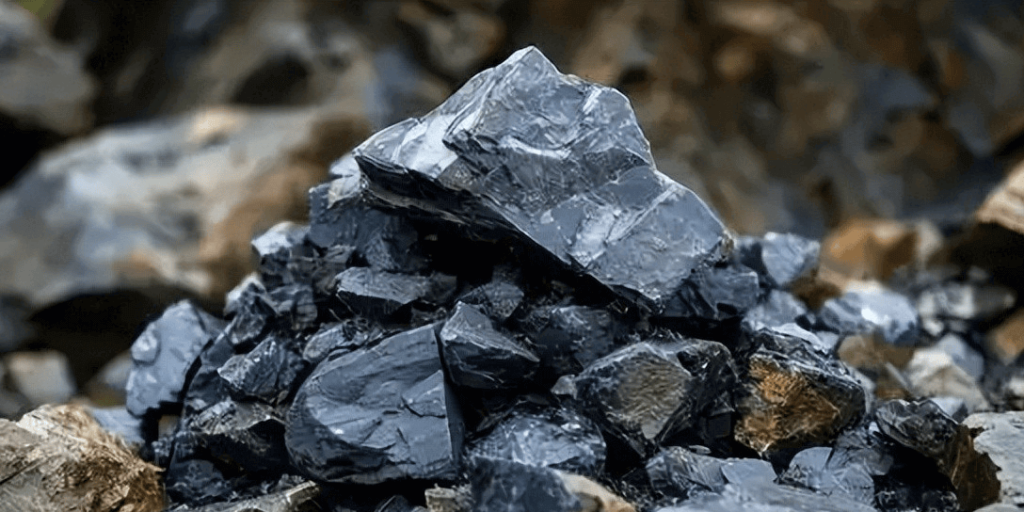
What is the foreign response to China’s rare earth exports?
Several auto companies have warned of a severe supply crunch after China restricted rare earth exports.
Tata Motors Chief Financial Officer Balaji said the company’s electric vehicle launch plans are on track but could come under review if there is a significant deterioration in rare earth supplies. He said alternative sources of magnets, including alternative technologies, are being studied.
India’s largest automaker Maruti Suzuki has cut its near-term production target for its electric car, the e-Vitara, by two-thirds due to a shortage of rare earths, Reuters reported earlier this month.