
In the evolving world of advanced metallurgy, ferrochrome nitride is emerging as a critical material in the production of high-strength steel, stainless steel, and bearing-grade alloys. As the steel industry places increasing emphasis on mechanical performance, corrosion resistance, and nitrogen alloying, this specialized ferroalloy is becoming a preferred choice for steelmakers worldwide.
Rising Demand for Nitrogen Alloying
Nitrogen is now widely recognized as a cost-effective alternative to other alloying elements like nickel, especially in austenitic stainless steel. When introduced in controlled amounts, nitrogen:
- Increases yield and tensile strength without reducing ductility
- Enhances corrosion resistance, particularly against pitting and intergranular corrosion
- Improves wear and fatigue performance in bearing and tool steels
Ferrochrome nitride provides an efficient way to add both chromium and nitrogen into molten steel, making it particularly valuable in EAF and converter-based production.
Typical Composition and Product Forms of Ferrochrome Nitride
| Parameter | Typical Value |
| Cr content (%) | 60–70% |
| N content (%) | 3–10% (adjustable per customer request) |
| C content (%) | <0.1% (low-carbon grades available) |
| P content (%) | <0.04% |
| S content (%) | <0.04% |
| Size options | 10–50mm (lump) |
| Form | Solid lumps, granules |
Global Applications
Ferrochrome nitride is increasingly used in:
- High-strength stainless steel (e.g., duplex and super duplex)
- Bearing steel for wind turbines and railways
- High-pressure tubing and valves for chemical and oil industries
- Tool steel where wear resistance and strength are key
As environmental standards tighten, nitrogen-alloyed steels also offer better weldability and reduced carbon footprint compared to traditional high-nickel alloys.
Case Study: Lumpy ferrochrome nitride exported to Europe
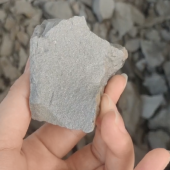
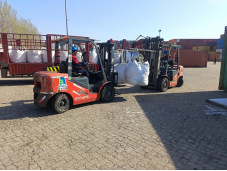
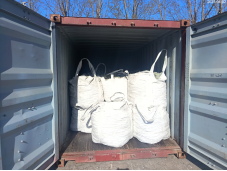
In early 2025, our company successfully completed a shipment of lump ferrochrome nitride (10–50mm, N: 3–4%) to a stainless steel producer in Europe. The customer required a reliable supply for their low-nitrogen alloying process, emphasizing strict quality control and consistent sizing.
Key delivery details included:
Nitrogen content precisely controlled within the 3–4% range
Lump size: 10–50mm, suitable for direct addition in EAF melting
Lead time: 25 days from order to delivery
Delivery performance: 100% on-time, no deviation from agreed schedule
The client praised the shipment for its stable composition, clean packaging, and clear documentation, and has since expressed interest in long-term cooperation.
Nitrogen Level vs. Steel Performance
| Nitrogen (%) in Alloy | Effect on Steel |
| 3–4% | Enhances basic mechanical strength; suitable for general stainless steel applications |
| 5–6% | Increases tensile and yield strength without compromising ductility |
| 7–8% | Improves fatigue and wear resistance in structural steels |
| 9–10% | Enables production of high-nitrogen austenitic and duplex stainless steels |
Conclusion
As the push toward high-performance and cost-effective steel continues, ferrochrome nitride is positioned to play a larger role in the global alloy supply chain. With proven impact on strength, resistance, and efficiency, it’s no longer a niche material—but a strategic component for the next generation of steelmaking.
Interested in learning how our ferrochrome nitride solutions can support your production?
Contact our technical team for product specifications, samples, or pricing based on your requirements.