
The meaning of pure calcium wire and metal calcium cored wire
Pure calcium cored wire and metal calcium cored wire can usually be considered as the same type of product, but the specific meaning may vary slightly due to different manufacturers or industry practices.
In a broad sense, they both use metal calcium as the main component and are used in fields such as steel smelting for deoxidation and desulfurization.
In a narrow sense, pure calcium cored wire generally refers to solid pure calcium cored wire, which is made by coating a special pure calcium cored wire with cold-rolled bright steel strip. It has the advantages of uniform wire diameter, high tensile strength, good toughness, and not easy to break. It can be applied to a variety of steel grades and has a high calcium yield. The term metal calcium wire is relatively broader, which may include pure calcium cored wire, or it may refer to calcium alloy cored wire with a higher calcium content.
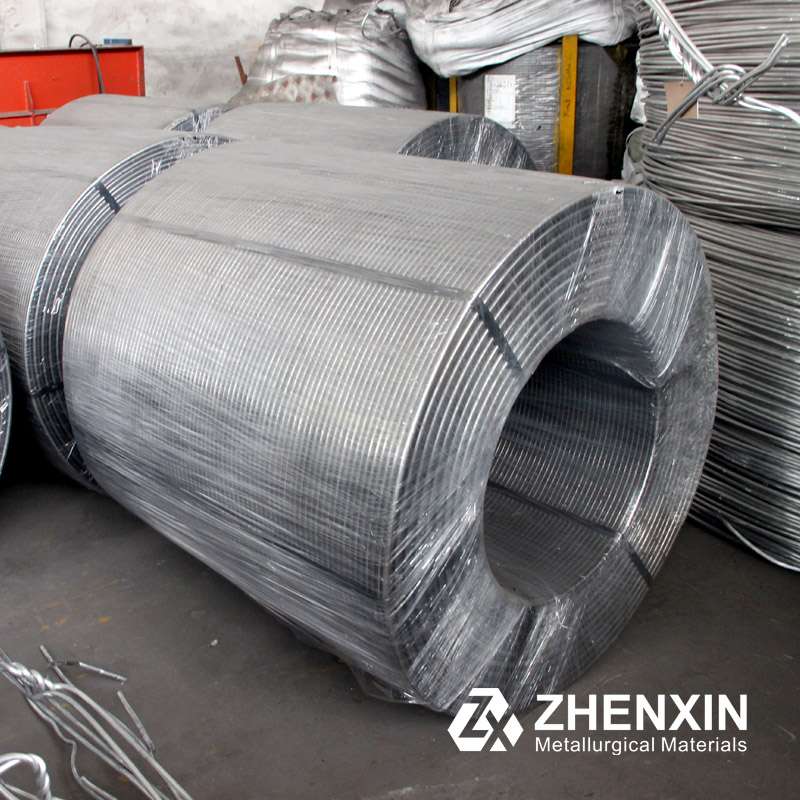
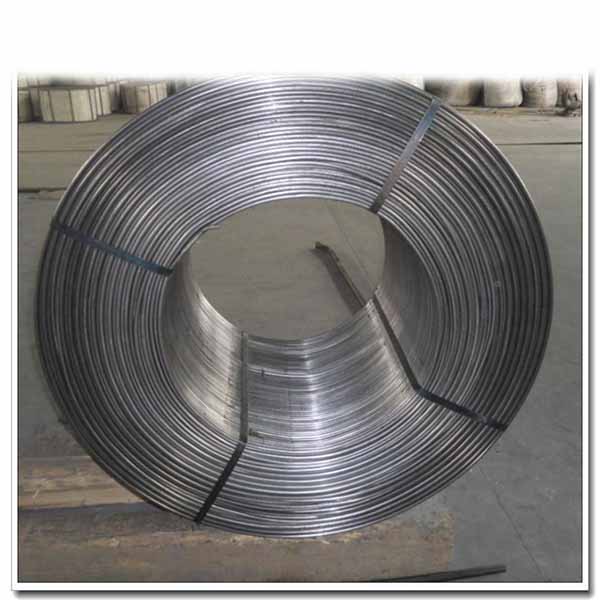
The uses of metallic calcium wire and pure calcium wire
The main functions of metallic calcium wire and pure calcium wire in the steelmaking process are deoxidation and desulfurization to improve the quality of steel. However, due to differences in composition and other aspects, there are also some differences in their specific functions, which are mainly reflected in the following aspects:
Deoxidation ability
- Pure calcium wire: Pure calcium wire has a high calcium content and theoretically has a strong deoxidation ability. Calcium has a strong affinity with oxygen and can quickly react with oxygen in molten steel to generate calcium oxide, thereby reducing the oxygen content in molten steel and effectively preventing defects such as pores and looseness caused by the precipitation of oxygen in the molten steel during solidification.
- Metallic calcium wire: Usually a calcium alloy wire, it contains other elements in addition to calcium, such as aluminum and magnesium. These alloy elements also have a certain deoxidation ability, and they work synergistically with calcium to achieve different effects in the deoxidation process. For example, aluminum in calcium-aluminum alloy wire is also a strong deoxidizer. Aluminum first reacts with oxygen to generate aluminum oxide, and then calcium reacts with the remaining oxygen. This composite deoxidation method can sometimes more effectively reduce the oxygen content in molten steel, and the generated deoxidation product has better floating performance, which is conducive to removing inclusions in molten steel.
Desulfurization effect
- Pure calcium wire: Calcium has a greater affinity with sulfur. Pure calcium wire can be used to convert sulfur in steel into calcium sulfide. Calcium sulfide has a higher melting point and a lower density than molten steel. It is easy to float to the surface of molten steel and be removed, thereby achieving the purpose of desulfurization. It can effectively reduce the sulfur content in steel, improve the quality of steel, and reduce the adverse effects of sulfur on the hot brittleness of steel.
- Metallic calcium wire: Other alloying elements in metallic calcium wire may have an impact on the desulfurization process. For example, in calcium-magnesium alloy wire, the presence of magnesium can change the morphology and distribution of sulfides, making sulfides easier to aggregate and float, thereby improving the desulfurization efficiency. In addition, the interaction between alloying elements may also affect the physical properties of molten steel such as fluidity and surface tension, indirectly affecting the desulfurization effect.
Impact on the fluidity of molten steel
- Pure calcium wire: After pure calcium wire is added to molten steel, if the products such as calcium oxide and calcium sulfide generated cannot be floated up and removed in time, they may form fine particles in the molten steel, increase the viscosity of the molten steel, and reduce the fluidity of the molten steel. Especially when the calcium content in the molten steel is too high, “over-calcium treatment” may occur, resulting in poor fluidity of the molten steel and affecting subsequent casting and other processes.
- Metallic calcium wire: The alloy elements in the metallic calcium wire can improve the fluidity of the molten steel.
Impact on steel performance
- Pure calcium wire: The main function is to deoxidize and desulfurize, purify the molten steel, and reduce the adverse effects of impurities on steel performance. An appropriate amount of calcium can also improve the strength and toughness of steel, but excessive calcium may cause coarse inclusions in the steel, which will reduce the performance of the steel.
- Metallic calcium wire: In addition to deoxidation and desulfurization, the alloy elements in it can also have other effects on the performance of steel.